Condominiums or Villas in Phuket Town: A Data-Driven Guide for American Investors in 2024

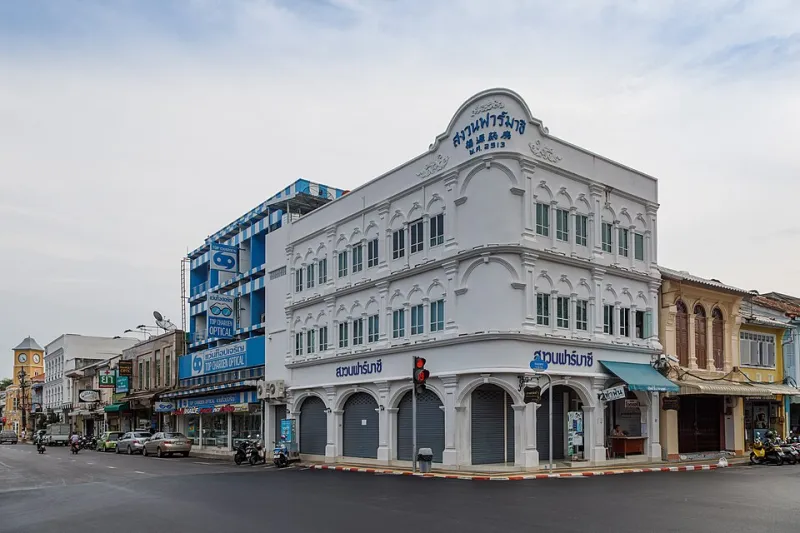
Photo by Photo by Max Bvp on Unsplash on Unsplash
For American investors exploring Phuket Town's property market, the first major fork in the road is not which neighborhood to choose or which developer to trust. It is the more fundamental question of property type. Condominiums and villas each carry distinct legal frameworks, cost structures, and income profiles—and the wrong choice can quietly erode returns for years before an investor realizes the mismatch.
This guide sets aside the glossy brochures and walks through what actually matters: ownership rights, rental performance, management burden, and the tax picture for US citizens holding foreign real estate.
Ownership Rights: A Fundamental Legal Distinction
Before any discussion of returns, American buyers must understand Thai property law, because it draws a sharp line between these two asset classes.
Foreigners may own a condominium unit in freehold—outright, in their own name—provided the building's foreign ownership quota (49 percent of total floor space) has not been exhausted. This is the cleanest title structure available to non-Thai nationals and is fully recognized under the Condominium Act of 1979.
Villas, by contrast, sit on land, and Thai law prohibits foreigners from owning land directly. Investors who pursue villa ownership typically do so through a long-term leasehold agreement (commonly 30 years with renewal options) or by establishing a Thai limited company to hold the title. Both structures introduce legal complexity, ongoing compliance costs, and a layer of uncertainty that freehold condo ownership simply does not carry. For an American investor accustomed to the relative clarity of US property law, this distinction alone often tips the scales.
Purchase Price and Entry Costs
In Phuket Town specifically—as opposed to the island's beach resort zones—the price differential between condos and villas is considerable. Entry-level condominium units in well-located Phuket Town buildings currently range from approximately THB 2 million to THB 6 million (roughly $55,000 to $165,000 USD at mid-2024 exchange rates), making them accessible to a broader range of investors.
Villas in and around Phuket Town command significantly higher price points, often beginning at THB 8 million and climbing well past THB 20 million for properties with meaningful land plots and modern finishes. That capital commitment demands a longer investment horizon and a higher tolerance for illiquidity.
For investors working with a defined budget, condominiums offer far greater flexibility—including the ability to diversify across multiple units rather than concentrating capital in a single villa.
Rental Demand and Yield Potential
Phuket Town is not a traditional beach holiday destination, and that distinction shapes rental demand in important ways. The area attracts a growing segment of longer-stay visitors: digital nomads, cultural travelers, medical tourists, and professionals relocating to Thailand under the country's Long-Term Resident visa program. These tenants tend to favor well-managed condominium buildings with reliable utilities, security, and building amenities over standalone villas, which require more self-sufficient occupants.
Condominium units in Phuket Town's central districts are currently generating gross rental yields in the range of 5 to 8 percent annually for short- and medium-term rentals, with stabilized long-term leases typically producing 4 to 6 percent. These figures are competitive by Southeast Asian standards and compare favorably with many US urban markets.
Villas can achieve higher absolute rental income per booking, particularly during peak season, but occupancy rates are generally lower and more volatile. The result is that gross yields on villas frequently underperform comparably priced condominium investments on an annualized basis, especially when vacancy periods are factored in.
Management Complexity and Operational Overhead
This is where many American investors encounter their first serious surprise. A villa is, in practical terms, an independent property. The owner is responsible for garden maintenance, pool servicing, pest control, exterior repairs, and security—either directly or through a hired property manager. In Thailand, finding and retaining reliable property management for a standalone villa requires active involvement, local contacts, and ongoing expense.
Condominium buildings distribute these responsibilities through a juristic person (the building management body) funded by monthly common area maintenance fees. While those fees represent a real cost, they purchase a level of operational hands-off convenience that is genuinely valuable for investors based overseas. The building handles the infrastructure; the owner manages only their unit.
For Americans managing an investment from across the Pacific, the lower operational friction of condo ownership is not a minor convenience—it is a structural advantage that protects returns.
Tax Implications for US Citizens
US citizens are taxed on worldwide income, which means rental income from a Phuket Town property must be reported to the Internal Revenue Service regardless of where it is earned. Both property types carry this obligation equally.
However, the entity structure often used for villa ownership—the Thai limited company—introduces additional US reporting requirements. Americans holding more than 50 percent of a foreign corporation may trigger Form 5471 filing obligations, and the penalties for non-compliance are severe. Condominium ownership held in an individual's name avoids this layer of complexity entirely.
Both property types are subject to Thai withholding tax on rental income and transfer taxes upon sale. Investors should engage a cross-border tax advisor familiar with both Thai and US obligations before committing to either asset class.
Which Property Type Fits Your Goals?
The honest answer is that condominiums in Phuket Town represent the more practical, lower-risk, and legally straightforward investment for the majority of American buyers—particularly those seeking passive income, manageable entry costs, and clean freehold title.
Villas may appeal to investors with larger capital allocations, a desire for personal use of the property, and the willingness to engage actively with local management. They can deliver strong returns in the right circumstances, but those circumstances require more work to create and sustain.
For investors whose primary objective is yield with manageable complexity, Phuket Town's condominium market offers a compelling case in 2024—one grounded in genuine rental demand, accessible price points, and a legal framework designed to accommodate international ownership.
Explore available listings at condophukettown.com to begin identifying properties that match your investment criteria.